Growing Tomatoes Outdoors in the UK: A Beginner's Guide
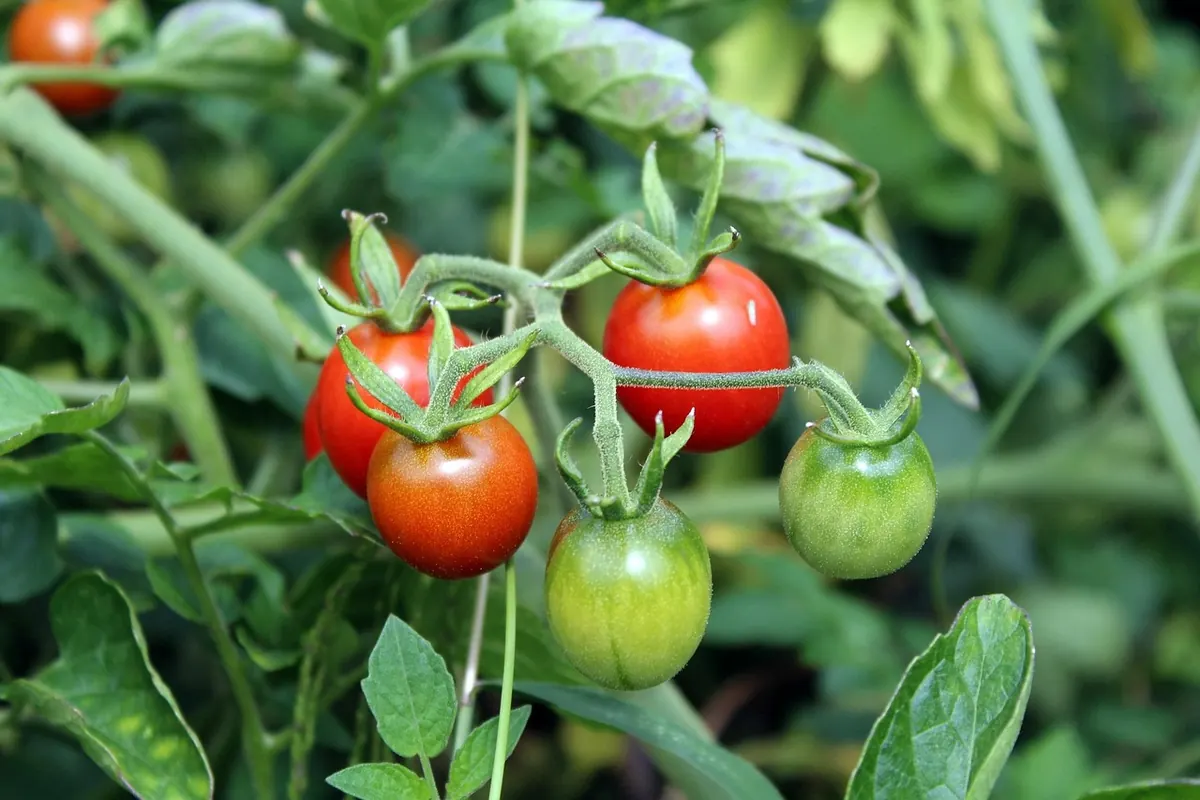
Tomatoes are the crop most people want to grow, and the one most likely to disappoint. A cold June night, a wet August or a fortnight of neglect can undo months of good intentions. Yet plenty of British gardeners pick ripe fruit from plants in the open ground every year, and it isn't luck. They choose varieties that suit our climate and keep to a simple routine. Get those two things right and the rest follows.
Choosing a variety that suits a British summer
Variety choice is the biggest single decision you'll make. Outdoor plants have to set fruit at lower temperatures than greenhouse ones and ripen before the weather turns, so an early, compact, disease-resistant type will always beat a big beefsteak bred for a warm climate.
It also helps to know the difference between the two growing habits. Cordon (indeterminate) varieties grow tall on a single stem and crop over a long season, but they need staking and weekly side-shooting. Bush (determinate) varieties stay compact, need little support and suit pots, grow bags and hanging baskets.
- 'Gardeners' Delight' — a sweet cherry cordon that ripens early and forgives the odd missed watering.
- 'Sungold' — orange, exceptionally sweet and productive, though it prefers the warmest spot you have.
- 'Crimson Crush' — a blight-resistant cordon with good-sized fruit; one of the most reliable outdoor choices.
- 'Ferline' — an older cordon with useful blight tolerance and a decent flavour.
- 'Losetto' — a blight-resistant bush cherry that performs well in pots and grow bags.
- 'Maskotka' or 'Tumbling Tom' — trailing bush types for baskets and containers.
- 'Ailsa Craig' or 'Alicante' — traditional cordons with a proper tomato tang.
Plum types such as 'Roma', grown for sauces, will crop outside in a good year, but they want a long warm season. In the north, treat them as a gamble rather than a plan.
Sowing times and potting on
The temptation is to sow in January and get ahead. Resist it. Plants sown too early become tall and leggy on a windowsill, and leggy plants never quite recover. Sow indoors from late February to mid-March in a warm, bright spot at around 18–21°C. Seedlings usually appear within a week or two.
Prick them out into individual 9cm pots as soon as the first proper leaves appear, then pot on into litre pots before the roots fill the space. Keep them as bright as you can and turn them regularly so they grow straight.
- Late February to mid-March — sow under cover.
- Three to four weeks later — prick out into individual pots.
- Late April — pot on into litre pots.
- Mid to late May — harden off gradually over a week.
- Late May to early June — plant out once the risk of frost has passed.
- July onwards — first ripe fruit from the earliest varieties.
Planting out and support
Tomatoes want sun and shelter: a south-facing wall, a warm patio or a bed that gets at least six hours of direct light a day. Cold, exposed ground slows growth and invites problems.
Plant deeper than the pot level, burying the stem up to the first pair of leaves. Roots form along the buried section, which gives you a sturdier plant. Water the hole before you settle the plant in, and firm it gently.
Space cordons 45–60cm apart and bush types a little closer. Fork well-rotted compost into open ground. In grow bags, be generous with space — two plants per bag rather than three gives noticeably better results — and stand the bag on pot feet so surplus water can drain.
Give each cordon a cane and tie it in with soft twine in a figure of eight so the stem isn't rubbed. Then pinch out the side-shoots that appear between the stem and each leaf, once a week, with your thumbnail or a pair of snips. Bush varieties need none of this; leave them to get on with it.
Watering without drama
Uneven watering causes more disappointment than pests or disease. Blossom end rot, split skins and dry, mealy fruit all trace back to it.
Steady moisture does more for fruit quality than any bottle of feed.
- Water at the base, in the morning, aiming for moist rather than sodden compost.
- In open ground during a dry spell, a thorough soak two or three times a week beats a daily sprinkle.
- In pots, grow bags and baskets, check daily in warm weather and twice a day during a heatwave. Push a finger in to judge it rather than guessing.
- Mulch with garden compost or grass clippings to slow evaporation.
- Keep foliage dry — damp leaves in still air invite blight and mould.
- Never feed a dry plant. Water first, then feed.
Feeding: start later than you think
Young plants in decent compost need nothing extra. Feed them heavily early on and you'll get a forest of leaves and very little fruit. Start when the first truss has set small, marble-sized tomatoes.
Use a high-potash tomato feed at the strength on the bottle, once a week. In containers, many growers do better with half strength at every watering rather than a full dose weekly, because it keeps nutrient levels even. Comfrey or seaweed feeds work well too if you prefer to make your own.
Keep feeding while fruit is swelling, and stop when the plants have finished cropping. If older leaves yellow between the veins while the edges stay green, that's usually magnesium shortage, common in grow bags. A feed containing magnesium, or an Epsom salt foliar spray mixed to the packet's instructions, generally sorts it out.
Coping with problems
Blight is the one to watch. Brown or black patches spread quickly across leaves and stems during warm, wet spells from July onwards. Cut affected material off straight away, don't compost it, and be ready to harvest early if it keeps spreading. Once fruit is affected, pick everything and ripen it indoors
Photo: _Alicja_ / Pixabay