Renting with a Shady Balcony: Containers That Actually Thrive
A north-facing balcony is the spot everyone else turns their nose up at. No blazing sun in July, no barbeques until ten at night, and a view that mostly consists of the back of someone else's building. But it is also the easiest place in Britain to grow a certain kind of plant: the ones that would scorch, bolt or sulk anywhere sunnier. Lettuce that stays tender instead of turning bitter. Ferns that stay green all summer. Herbs that don't shoot to seed in a fortnight.
The catch is that shade changes the rules. Compost stays wet for longer, so drainage matters more than ever. Air moves less, so mould is a real risk. And because the sun never dries the pots out, more plants die of drowning on a north-facing balcony than of drought. Get the basics right and this is genuinely one of the most forgiving spots you could ask for.
Start with the pot, not the plant
On a shaded balcony, the container does half the work. A pot that holds water like a bucket will kill most plants by midsummer, so drainage is not a detail — it is the whole game.
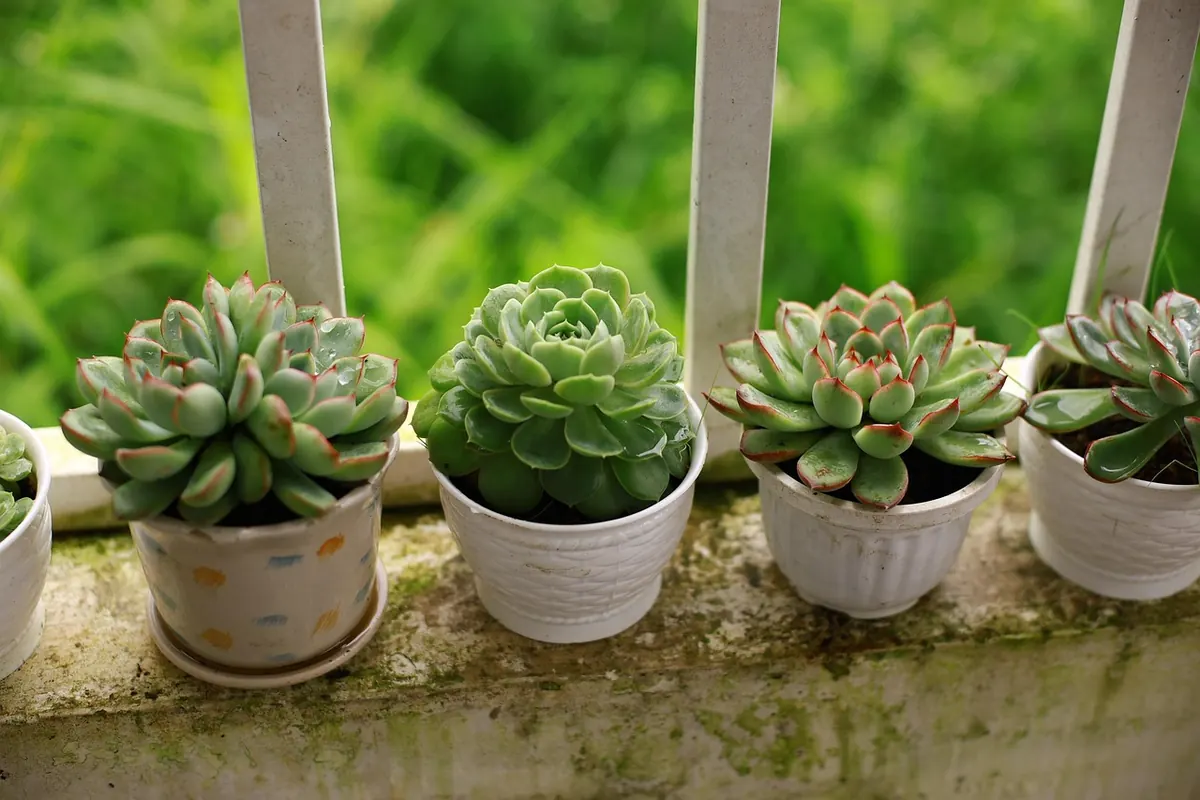
- Terracotta or unglazed ceramic: the best choice for shade. The walls are porous, so surplus water evaporates through the sides. They dry out faster than plastic, which sounds like a problem and is actually a mercy on a north-facing balcony.
- Plastic and glazed pots: fine, but check the base has real holes rather than a single decorative dimple. If in doubt, drill extra ones.
- Coir or fabric grow bags: excellent air movement around the roots and almost impossible to overwater. They look utilitarian, but they work.
- Troughs and long planters: ideal for balconies because they use the railing edge rather than the floor. Line the bottom with a layer of crocks or gravel only if the drainage holes are large; otherwise a simple layer of broken polystyrene works and weighs far less.
Whatever you choose, raise it off the ground. Two small pot feet or a couple of bricks stop the base sitting in a puddle after rain, which is how roots rot. If your balcony has a solid floor with no drain, a cheap plastic tray underneath each pot will keep the neighbours below happy.
Compost: lighter, grittier, freer-draining
Ordinary multi-purpose compost straight from the bag holds a lot of water. In shade, that becomes a problem. Mix it roughly three parts compost to one part grit, horticultural sand or perlite. The mix should feel crumbly rather than damp when you squeeze a handful.
Don't be tempted to use garden soil. It compacts in containers, drains badly and brings in weeds. Peat-free composts are widely available now and behave well in shade, though they can dry out unevenly, so water slowly and let it soak in rather than flooding the surface.
Feed lightly
Shade-loving plants grow more slowly, so they need less food than sun-lovers. A diluted liquid feed every three or four weeks from spring to late summer is plenty for leafy plants. Overfeeding in low light produces soft, pale, floppy growth that slugs and mould both love. If you are growing herbs for the kitchen, go easy on the feed entirely — too much produces lots of leaf and very little flavour.
Plants that genuinely cope with north light
These are the ones that will look after themselves once they are settled. All of them prefer shaded roots and tolerate a few hours of weak morning or evening sun.
For foliage and structure
- Ferns: hart's tongue, soft shield and Japanese painted fern all thrive. They want damp shade, so they are one of the few plants here that enjoys a north-facing wall.
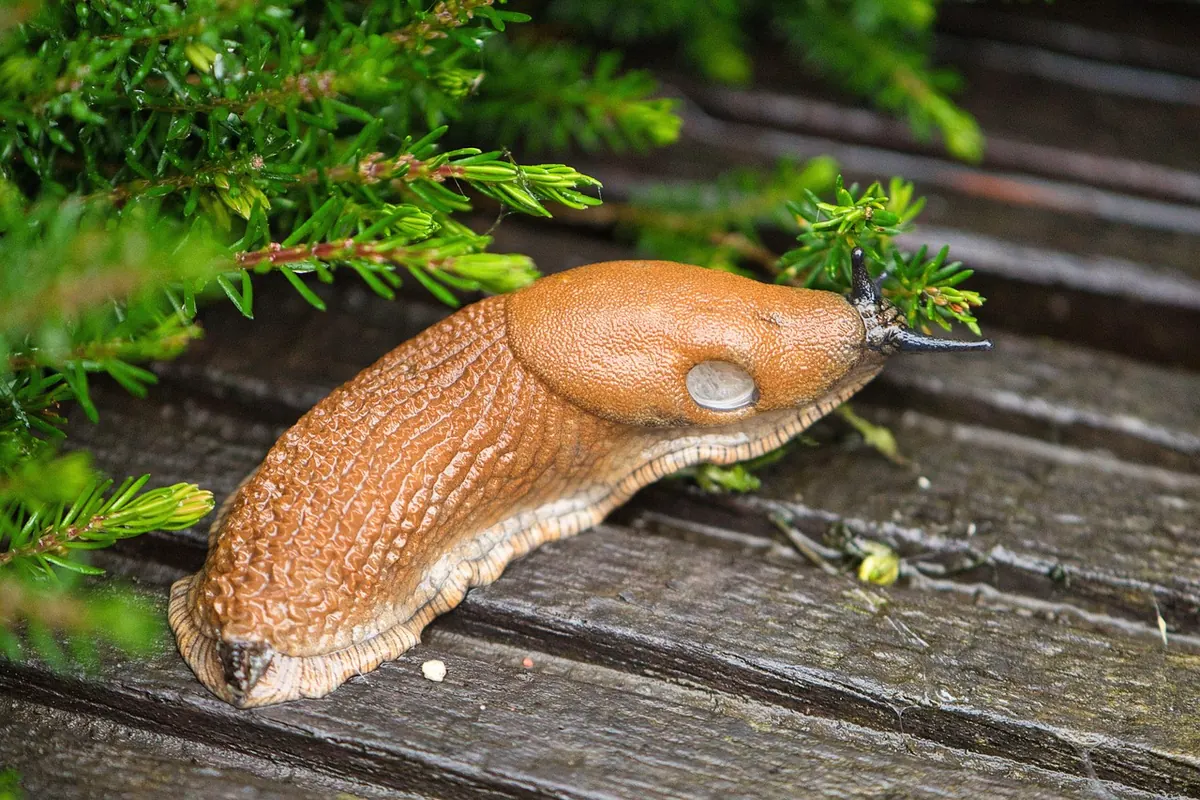
- Hostas: superb in troughs. Slugs are the main threat, so set a beer trap or go out with a torch after rain.
- Heucheras: colour from lime green to deep burgundy, and they hold their leaves through most winters.
- Ivies and small-leaved ivy cultivars: happy in near-full shade and useful for trailing over the front of a trough.
For cutting and eating
- Lettuce and rocket: shaded leaves stay sweet and tender. Sow little and often rather than one big row.
- Chives, parsley and mint: the three herbs that do best without sun. Keep mint in its own pot or it will take over everything.
- Wild garlic and land cress: unusual, useful, and perfectly at home in a shaded trough.
For flowers
- Impatiens (busy Lizzies): old-fashioned for a reason. Reliable colour in shade, though they need steady moisture.
- Begonias: both tuberous and fibrous types flower well out of direct sun.
- Snowdrops and cyclamen in autumn: small bulbs that give you something to look at when little else is happening.
Watering when the sun never dries things out
Forget the rule about watering every day. In shade, that is the fastest way to lose a pot. Push a finger two inches into the compost before you pick up the can. If it feels cool and damp, walk away.
- Water in the morning if you can, so any splashes on the leaves dry before the cool of the evening.
- Water the compost, not the foliage. Wet leaves in still air are an invitation to mildew and grey mould.
- Water thoroughly and less often — until it runs out of the drainage holes — rather than little and often.
- Empty saucers and trays an hour after watering. Standing water is the enemy here.
- In a wet British summer, you may not need to water for a fortnight. Check anyway.
Wind is the other factor. Balconies funnel it, and a dry east wind will strip moisture from leaves far faster than the sun would. If your balcony is both shaded and exposed, group pots together so they shelter each other, and consider a light screen of bamboo or reed against the most punishing corner.
Small habits that make a big difference
Turn pots a quarter turn every week or two. In low light, plants lean hard towards whatever brightness they can find, and a fortnight of neglect gives you a lopsided, leggy specimen that never quite recovers its shape.
Deadhead regularly. Removing fading flowers sends energy back into the plant rather than into seed, and it keeps the whole arrangement looking deliberate rather than neglected. Pick off any yellowing leaves at the same time — they are the first sign of compost that is staying too wet.
Clean your pots at the end of the season with hot soapy water, and scrub the balcony floor where fallen leaves have gathered. Slugs and snails shelter in exactly those damp corners, and a little tidying in October saves a lot of grief the following spring.
A final word on expectations
You will not grow tomatoes, lavender or sunflowers on a north-facing balcony, and it is worth accepting that early. What you get instead is a green, calm, low-maintenance space that looks good from April to November with very little fuss. Fill it with ferns, hostas, herbs and a few reliable flowers, water it when it actually needs it, and let the shade do you a favour.