Slug Control Compared: Nematodes, Barriers and Beer Traps
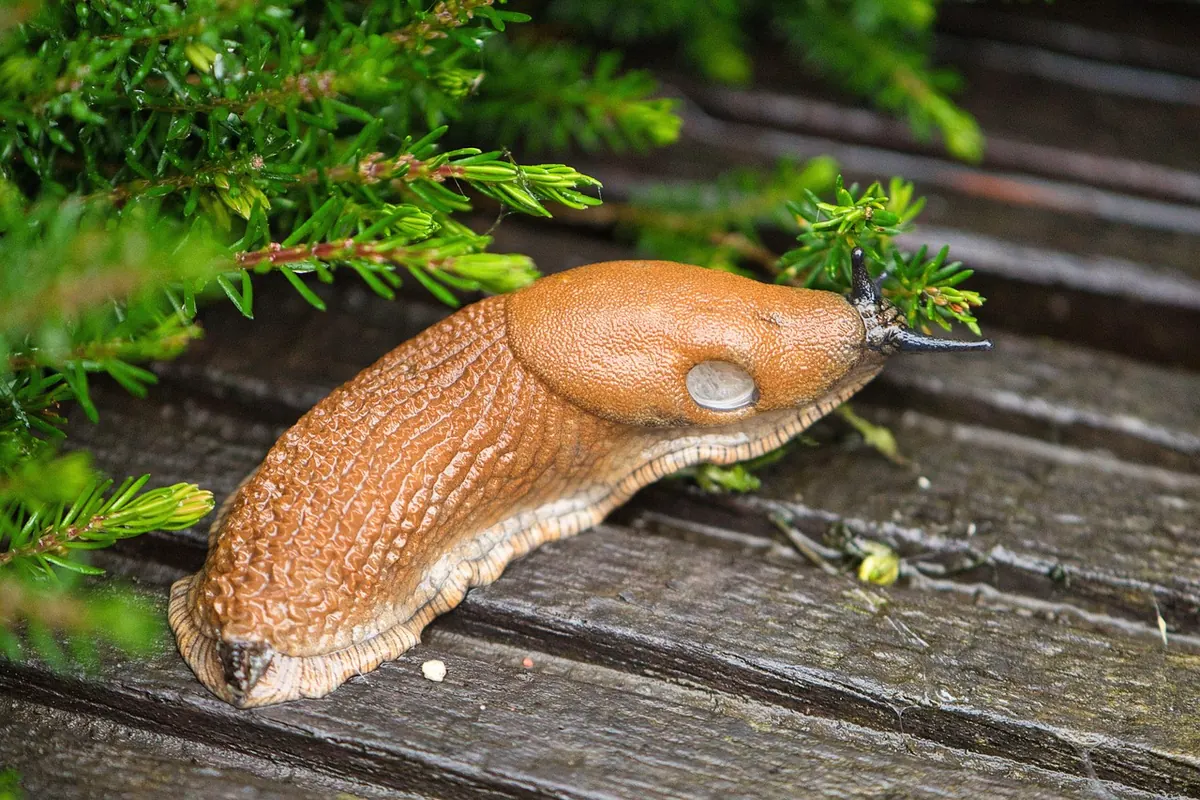
Two wet nights in late May and a row of lettuce seedlings can vanish. Slugs feed in the dark, leave a shine on the paving and are back underground before you have had breakfast. What is left is a decision: buy something, build something, or get out there with a torch.
The three defences most UK gardeners reach for — nematodes, barriers and beer traps — work in completely different ways, and each asks something different of you. One costs money every few weeks. One costs patience every evening. One costs a trip to the bin with a smelly jar. Here is how they compare in real beds and containers, and how to combine them without wasting effort.
Know what you are dealing with first
Slugs are molluscs, not insects, so insect sprays are useless and the life cycle matters far more than the body count you find on any one night. The small keeled slug that shreds seedlings is different from the big garden slugs you spot on the path, and different again from the burrowing species that eat seeds and roots below the surface.
That single fact decides which control suits you. Nematodes work in the soil, where the young slugs are. Traps and barriers work above it, around the plants you are trying to save. Both approaches are limited on their own, which is why gardeners who lose the least usually do two things at once: knock down numbers underground, then make the surface awkward for the rest.
Nematodes: the soil-level option
Slug nematodes are microscopic worms watered onto damp soil as a drench. They seek out slugs, enter them and kill them, and the dying slug usually stays below ground, so you rarely see bodies. They are specific to slugs and are not a threat to birds, hedgehogs, earthworms or pets — one of the strongest points in their favour.
They are also the fussiest option. Nematodes need moist soil, soil temperatures roughly above 5°C, and a reasonably fresh product. Suppliers print coverage and expiry on the pack, so follow those figures rather than guessing at a rate. Expect a few weeks of protection per application, then a repeat — which is why they are the most expensive of the three across a whole season.
Getting the application right
- Water the bed the day before if the soil is dry, then apply in the evening when slugs are active.
- Mix to the pack instructions and apply with a watering can and a coarse rose, or a sprayer with the filter removed.
- Keep the soil damp for a fortnight afterwards. A dry spell after application wastes the whole lot.
- Time it for spring and early autumn, when small slugs are plentiful, rather than a hot, dry July.
Best value in a kitchen garden or raised bed where you have lost seedlings repeatedly, and less useful for a few pots on a patio.
Barriers: reliable on pots, patchy in beds
Barriers work on a simple principle. A slug needs a continuous, damp route to your plant, so break the route and the plant survives. Copper tape and mesh rings around containers, wool pellets, and fine grit or sharp sand all have their place, though none of them is a force field.
Copper works best on a pot rim: clean, unbroken, and with no leaf or stem touching a wall, a neighbouring pot or the ground. Slugs already inside the pot stay inside, so check before you seal it. Tape loses its edge as it tarnishes and needs replacing every couple of years.
Wool pellets are abrasive, soak up moisture from the slug's body and swell as they get wet. They are handy scattered around lettuce and hostas, but rain and watering flatten them, so top them up. Grit and crushed eggshell are less dependable, and once wet they do very little.
Two habits matter more than any product. Water in the morning so the surface dries before dark, and avoid thick, warm mulch around the plants you care about in spring — that is prime slug accommodation. Mulch later in the season, or around shrubs you are not trying to protect.
Beer traps: cheap, effective, slightly grim
Slugs are drawn to fermenting yeast, which is why a jar of beer works. Fresh lager dregs, or water with sugar and a pinch of yeast, both do the job. Sink the container so the rim sits two or three centimetres above soil level: that way ground beetles and centipedes, which hunt slugs, walk past instead of falling in.
Cover the trap. A lid propped on a few sticks keeps rain out and stops hedgehogs, toads and other wildlife from getting stuck. Keep traps out of reach of pets and small children, and empty them every day or two before the smell becomes memorable. Position several near the crop under pressure rather than one in the middle of the plot.
An honest assessment: traps catch a lot of slugs, but they are a numbers game and they do not touch the young slugs feeding on roots and seeds underground. They shine as part of a routine, not as a standalone cure.
Torch patrols, pellets and predators
Half an hour after dark with a torch and a bucket is the single most effective thing you can do in a small plot. Go out after rain, pick slugs off leaves and stems and drop them into soapy water. Do it twice a week through the danger period and you will notice the difference, especially while seedlings are small.
On pellets, check your shed before you buy anything. Metaldehyde products have been withdrawn from outdoor use in the UK, so any old tub should be disposed of properly rather than used. Ferric phosphate pellets remain available and are the lower-risk choice for birds, hedgehogs and pets at label rates, though they should still be scattered thinly rather than poured in heaps, and kept away from dogs that might eat them. If you are unsure about a product in a pet household, ask your vet.
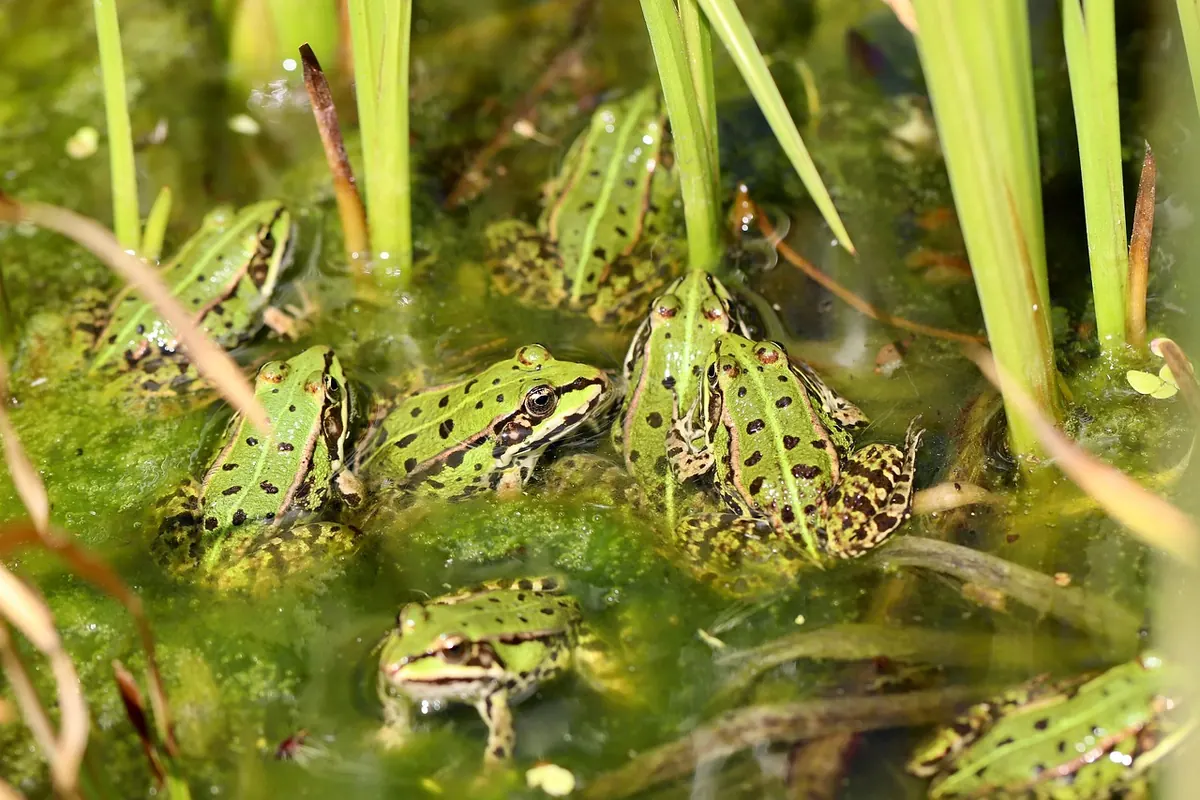
Meanwhile, make room for the things that eat slugs for free. Ground beetles, centipedes, slow worms, frogs, toads, thrushes and rooks all take their share. A log pile, a leaf-litter corner and a damp edge to the garden help. Leave leopard slugs alone — they hunt other slugs. Bin what you collect rather than offering it to hedgehogs, which can pick up lungworm from eating slugs.
A workable plan for most gardens
- In early spring, clear damp hiding places and begin torch patrols as soon as you see the first nibbled leaves.
- Move your most vulnerable crops — lettuce, brassica seedlings, hostas — into pots with copper rims while they are small.
- If you have lost a whole sowing before, treat the bed with nematodes in spring and again in early autumn.
- Set covered traps near the crops under pressure, and empty them every other day.
- Water in the morning, keep the surface dryish by night and mulch only where it earns its place.
Two methods used together beat one used perfectly, and a little damage is survivable. Grow a few sacrificial plants at the edge of the plot, protect what you actually want to eat, and expect the pressure to ease once the soil dries and the predators move in.
Photo: HelgaKa / Pixabay